

“Music is the soundtrack of your life,” touted Dick Clark. And so its lyrics and melodies resonated through her girlhood with its changing cadences and nuances. Her beloved songs changed and evolved as she grew and became her own person. Her playlist would become varied and expand with the times and culture.
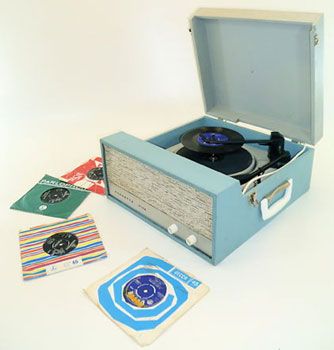
In kindergarten, her little record player played “How Much Is That Doggie In The Window?” (Patti Page) and “A Teddy Bear’s Picnic” (Rosemary Clooney). She sang and danced as she played the songs over and over. She often threw in “Rudolph The Red-Nosed Reindeer” (Gene Autry), no matter the season. She listened to songs played by her dad on the stereo and radio, and she sang right along with him while in the bigger company of Nat “King” Cole, Keely Smith, and Frank Sinatra.
In grade school, she had other music mentors. Her babysitter introduced her to Elvis. Her friend’s big sister welcomed her to the world of Maria and Tony in “West Side Story”. A good friend had a stack of 45s that would be played so an older neighbor boy could teach them to dance… Dion, Little Richard, Chubby Checker, Dee Dee Sharp helped the girls learn to do the Mashed Potatoes, Twist, and Pony.
 Then, her music world really opened wide…a rite of passage would take her there. One Christmas, she received the ultimate teen gift…a transistor radio. This gift signified that she could be connected to any teen radio station on the East Coast. Nighttime was the best part of the day! Why, she could party with Cousin Bruce Morrow on WABC in New York. She could listen to the Top 40 with Dick Biondi on WLS, Chicago. She could follow Jack Kelly on WKBW in Buffalo, New York. Those AM stations were rockin’ and rollin’ with hit after hit along with teen talk. She was in teenage music heaven. When nightly reception was poor and could not draw in the stations, she tuned in to the local station WINC with DJ Joe Pasquale…why he took requests and dedications. Maybe, a secret someone would send a special song her way.
Life for her was dismal after the assassination of her beloved President Kennedy. She moped, she fretted, she mourned. Then, one midwinter day all those emotions were replaced by the sound of screaming teenage girls at an airport in New York City. Some British group named The Beatles was invading American shores. Their music brought along other Brits who stole her heart and freed her from some of that grief. Her musical taste was changing once again.
 Other cultural changes influenced the songs that were sung from her lips and mirrored her teenage emotions. She absolutely adored soul: the Temptations, the Four Tops, Mary Wells, the Supremes. Her teenage dating woes and loss of first love were matched to the songs belted out by Miss Aretha Franklin, whom she revered and loved. The British songstress Dusty Springfield also sang for her.
During her late teen years, America was taking another turn into war protests, hippies, psychedelics which changed the music scene…but none of that was for her. She gravitated to the raspy, bluesy voice and emotional style of Janis Joplin. She grooved on Creedence Clearwater Revival, Three Dog Night, and Chicago Transit Authority (later name changed to Chicago).
Now 50-60 years later, she has an iPod. What music is on her playlist, and whose songs invite her to sing and dance with them today? Of course, her beloved artists from her girlhood!
“Call me a relic…call me what you will…say I’m old-fashioned…say I’m over the hill…today’s music ain’t got the same soul…I like that old time rock’n’roll.” ~Bob Seger
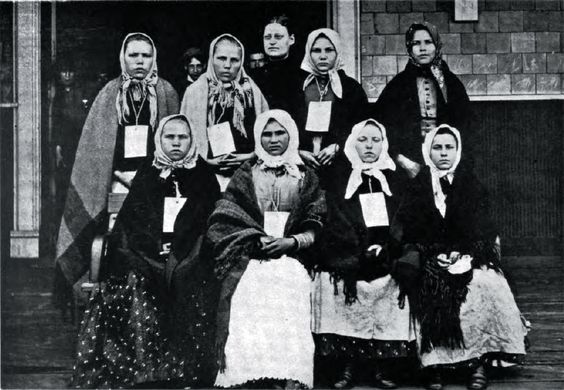
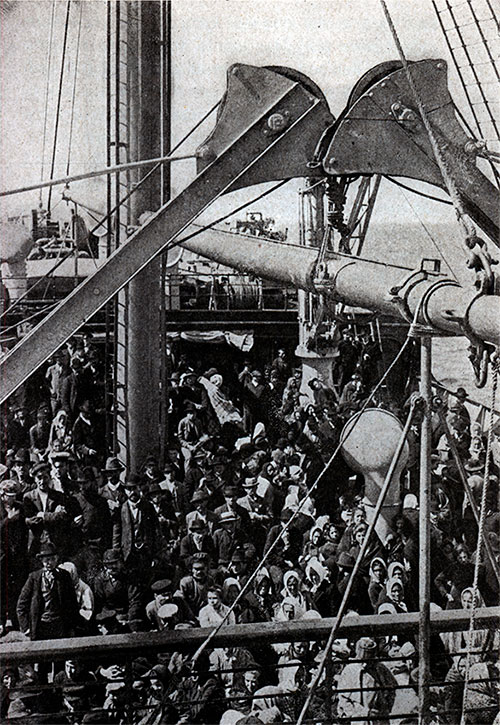

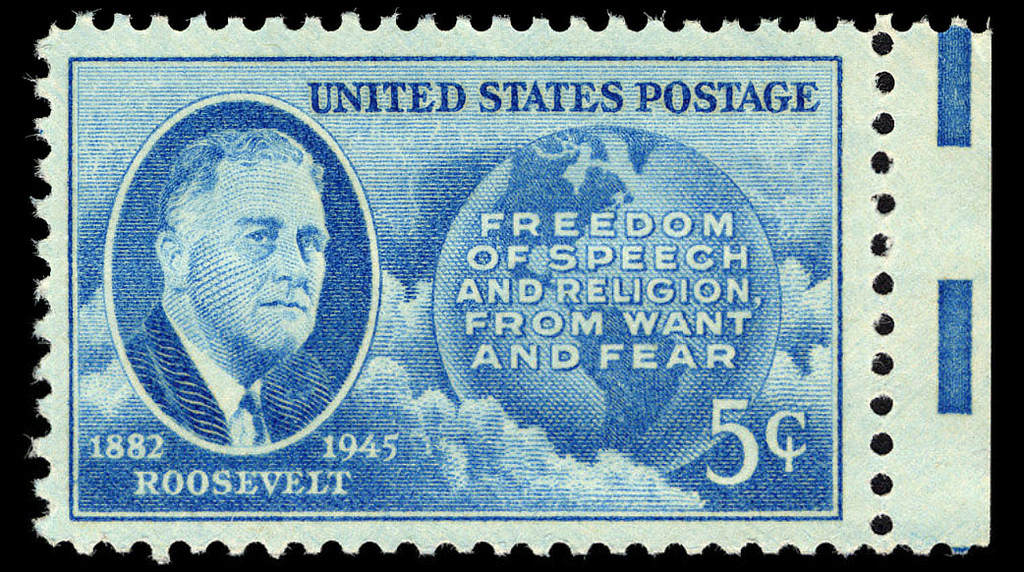 In January, 1941, President Franklin D. Roosevelt gave a State of the Union speech in which he enumerated four freedoms that complemented our Constitution. These four freedoms reminded all Americans that these ideals defined independence in different ways and on different levels. FDR reminded us that we have the inalienable rights to freedom of speech and expression, freedom of worship, freedom from want, and freedom from fear. Later that year, America and her citizens were tested to safeguard those freedoms for themselves and for the world…independence and its richness for all. Much earlier in our nation’s history, we had sought and obtained independence and freedom.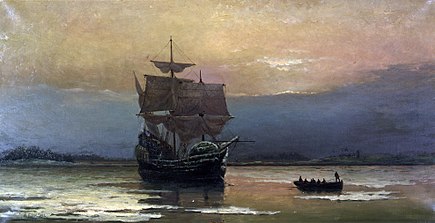


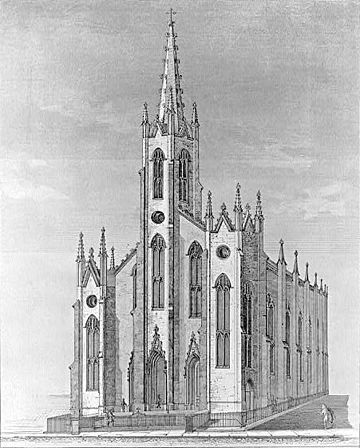 Since this parish no longer exists, I did locate the church where its records are stored. The parish secretary told me that the records from 1843 were there. Because of their age, these could not be scanned…they could be transcribed if they were readable. (I prayed they could be read.) A few weeks later, the transcription arrived in the mail. Well, here comes the bride…Maria had lied about her age and stated she was 22 years old. Another discovery on the record was Amos’ surname…it is Boultinghouse, and it was recorded as Boardinghouse.
 .
.
 My grandmother also spoke in another language. Each morning, she told us that she had to go milk the nannies. I was instructed to gather the hen fruit and bring it to the kitchen. I asked what trees it was on…she laughed and told me to go to the chicken coop with a basket…I would spot it in the little nests in there. My grammy also kept egg money in a can in her kitchen, and she said she could use it when she went to town on Saturdays…all gussied up she would be.