52 Ancestors In 52 Weeks: Maps

Beginning this journey, I had no idea how to arrive at the destination. Where would I be going? Could I find these two places? I needed a map to discover the actual locations.

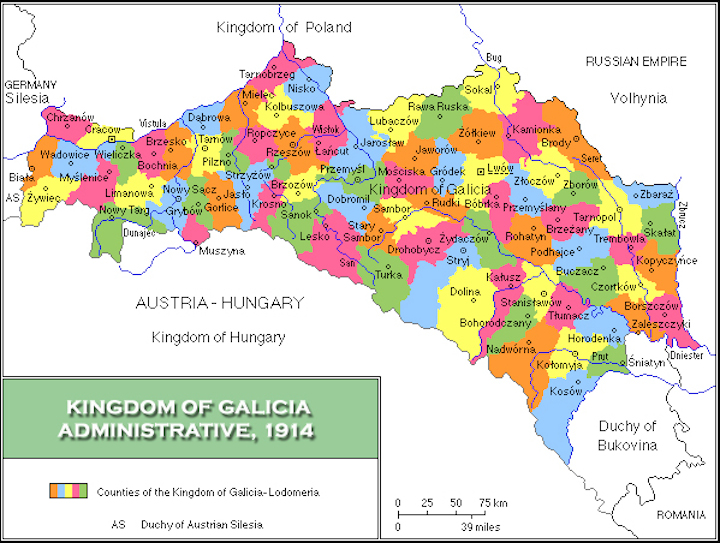
My grandparents emigrated from Poland and arrived at different times. They did not know each other back in the Old Country. They came from two villages in the same area that was known as Galicia. These villages were so small that some maps did not show them. They came from Jastrzebiec and Turaszowka. At the time of their emigrations, Galicia was part of the Austria-Hungary Empire since Poland and Galicia were not recognized as their own countries.

When my grandmother came to America in 1906, she was listed on the ship’s manifest as being born in Austria with a native tongue of Polish. My grandfather, arriving in 1912, was listed with the same information.

Looking to discover the location of these tiny villages was like sifting through sediment looking for gold nuggets. Would I strike gold, or go bust? I joined a Polish Genealogy group that was a teaching group. The group would help a member look on Family Search, and then one was on her own. I did find a map that was helpful, and I noted that these two villages were near Przemysl ( about in the center of the map in the midwestern section).
I was just starting my research with many miles to go. When would I finally arrive?

Then, I got to thinking: how did two people (my grandparents) come to this country, not know each other at first, both settle in Philadelphia, Pennsylvania, live a few doors down from one other, meet and marry when they both came from tiny villages in Galicia? Truly, it was all part of the divine plan.
52 Ancestors In 52 Weeks: Curious

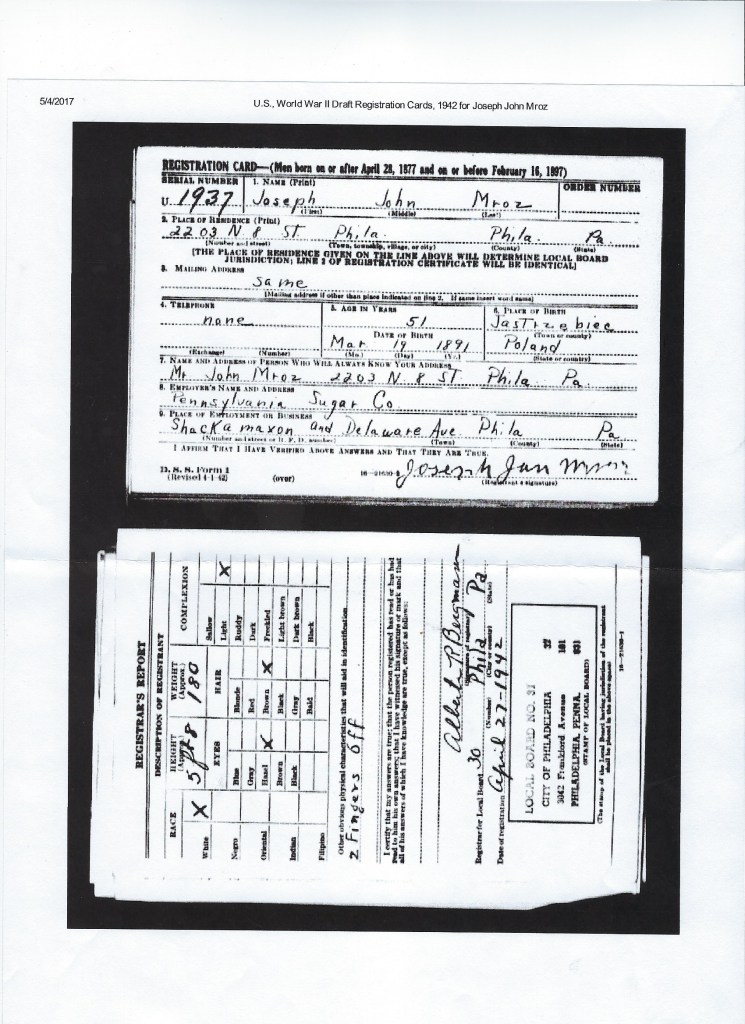
The paper was stuck in a pile of scrapbooking materials. How did it get there? I did not recall ever seeing it let alone making a copy of it. It was a World War II draft registration from 1942.

The registration was in the name of Joseph John Mroz. His birthdate was 19 March 1891. March 19 is the feast of Saint Joseph. Is that how he was named? Mroz was my paternal grandmother’s maiden name. Were they related as in brother and sister? He was born in the same village as my grandmother. He had immigrated to Philadelphia just as my grandmother did. What other clues were there?

Looking in the 1940 Federal U. S. Census, I discovered that he lived with his wife Mary and his children Joseph, Anna, and Catherine. Polish was spoken at home. He worked in the shipping department of a sugar refinery. (His draft registration noted that he worked at the Pennsylvania Sugar Company.) My grandmother’s name was Anna and her sister Catherine. Did he name his girls after his sisters? Were they family first names?

Then, an obituary from The Philadelphia Inquirer in 1977 noted that his funeral would be at Saint Ladislaus Parish…same as my grandmother. He would be buried in Holy Sepulchre Cemetery…same as my grandmother. He had a surviving sister Catherine, but her married name did not match the Catherine in my family. So, he was not my grandmother’s brother. Could he be a cousin?

Now I was curious on two points: why had I printed out that draft registration in 2017 ? where else could I check to see if he were a cousin? Curious.

52 Ancestors In 52 Days: Favorite Picture

How precious that they remain with me! What smiles, giggles, and tears they bring! I am grateful, and I am at peace and find comfort looking at them.

When my beloved husband Dan passed away last September, my whole world came crashing down. Grief swept over me and brought me to my knees. How could I best keep his memory close to me? How could I visualize him as happy and whole? Then I rediscovered them stored away in Zip Loc bags.

There was a whole collection of pictures from his childhood. Some were 75 years old and curled. Some were 70 years or less and told his story of being outdoors with playmates and celebrating family occasions. There was that little boy face just waiting for me.

Lovingly, I scanned them and printed them out on photo paper since they were curled. They would be placed in a photo book in chronological order. This project was turning into a joyous adventure. Grief could take a break for awhile while I savored the moments.

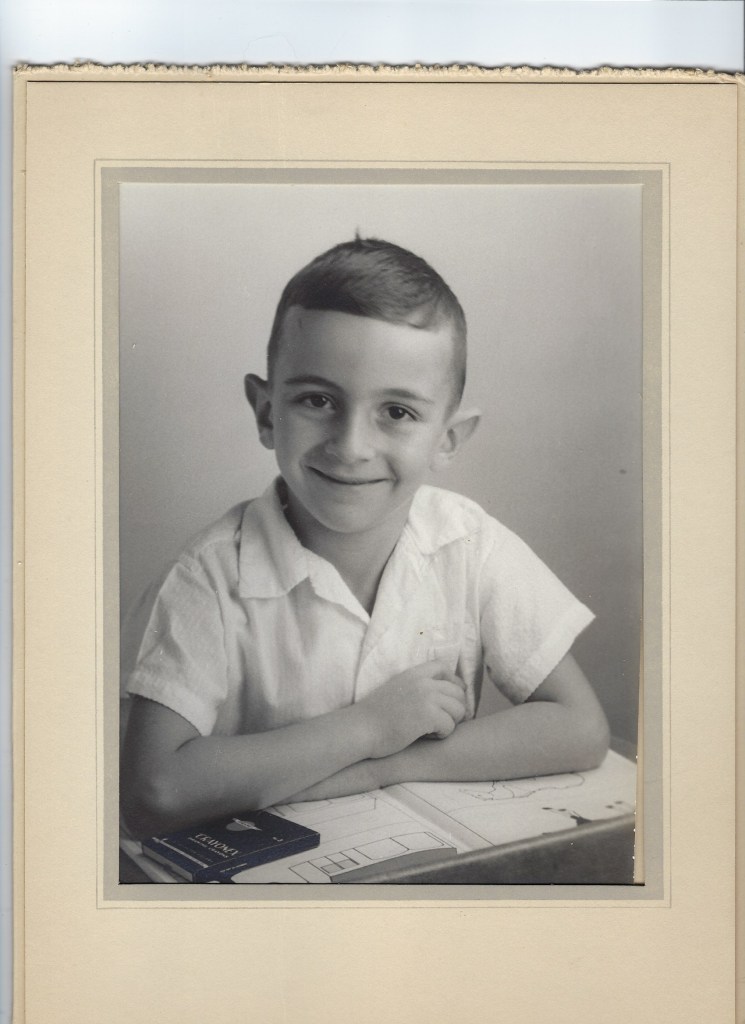
My favorite one was taken in either first or second grade…a school picture. He had a little bit of hair sticking up like a cowlick. The first time I saw it, I exclaimed, “Oh my gosh, I married Alfalfa!” (Alfalfa, for you youngsters, was a member of the Our Gang series.) This little picture is a treasure to me for I framed and placed it on my bedside table.

As a final mention, I am grateful to his parents for taking those little shots of everyday life. Back then, the family Brownie camera pictures were printed on deckle edged paper. Mom would make notations on the back as to the occasion or date. Sometimes, the month and year that they were developed was printed on the edges. Little did his parents know that these photos would bring peace and joy to his wife. They are a blessing, especially that little school picture.

52 Ancestors In 52 Weeks: Favorite Find

Like a cold case detective, a fresh set of eyes was needed. Could I pick up any new leads? I hadn’t really looked at the evidence in nine years.

Nine years prior, my goal was to find the names of my great grandparents…just their names would be like discovering gold. My Polish emigrant grandparents had left few clues about the parents they left behind in the Old Country. The hunt was on.

My grandparents, Franciszek and Anna, were married in Philadelphia in October, 1914. A certified copy of their marriage license was obtained from The Orphans’ Court of Philadelphia County. It revealed that Franciszek’s father was Jakob Slabik and his mother Agata Kendra. Jakob was a farmer while Agata was a housewife. It told that Anna’s parents were Stanislaw Mroz and Tekla Gornyk. Both were deceased. I had found them, my great grandparents.

Also, I looked for the church records of my grandparents’ marriage at Saint Ladislaus, a Roman Catholic Church. This Polish ethnic parish no longer existed, but its records were stored in another parish. When I received the record, lo and behold it was in Latin. The places of their baptisms were recorded, but the handwriting was difficult to read. That could be a help in locating records.

Now nine years later, I took another look at these records. What might I have missed? The witnesses to their marriage were now familiar names that I had discovered in further research. One was Catherine, whom recently I “met”, was her married sister. The other was my grandfather’s brother. (I had found his name as my grandfather’s contact in his Ellis Island records. I have never found him in any Census record.)

Why is this my favorite find? I found my great grandparents names which was a goal I had. Also, my grandparents were married with their siblings along side. They had two people who loved them to witness their marriage.

Now to crack the next set of clues: where they were baptized and what records will that information lead…just like a cold case file.

52 Ancestors In 52 Weeks: Foundation

Strong and sturdy, the four corners of the foundation upheld the weight of the house being built. Made of various materials, the corners were unique unto themselves. They would support the foundation for generations to come.

The first corner was Andrew Storer, who was born in Maine. Wanderlust flowed through his veins as he settled across the Midwest in search of his final home. His wife Mary Etta Soule stood by his side along with his children. Osborne County, Kansas, was their chosen place.

The second corner was James Nickel, who was born in Pennsylvania. A hard working, honest man, he made his way to Ohio where he met and married his wife Mary Emily Weaver. Together with his father, they made their way to free land for farming. Osborne County, Kansas, was their chosen place.

The third corner was William Henry Stevens, who was born in England. He was a quiet, reserved man. After he served in the Civil War, he and his wife Isabella Couchman moved with family from Memphis to their forever home. Osborne County, Kansas, was their chosen place.

The fourth corner was Amos Howell Boultinghouse, who was born in Illinois. He was a man from a strong patriotic background. After he served in the Civil War, he and his wife Mary Magdalina Kramer decided to moved from their farm to free land. Osborne County, Kansas, was their chosen place.

Together all four corners strengthened the foundation of my maternal side. Their resilience, fortitude, and courage made it so.

52 Ancestors In 52 Weeks: Changes

What is the exact word for those unwilling to accept changes? Can it be stubborn, noncompliant, or is it heartbroken?

It greatly saddens me to share with you that my beloved husband Daniel entered Eternity to be welcomed by his Heavenly Father on 14 September 2021. He died of lung cancer, the diagnosis that brought changes to our lives.

A change that I cannot deal with at this moment is entering into our family trees and making the change of submitting the date and place of his death. I have not changed it…I cannot…I will not at this time. On those leaves, he will remain with me. I am not ready.

Change is inevitable they say. I say it hurts and saddens. Perhaps, grieving to its fruition will allow me to make those changes.

52 Ancestors In 52 Weeks: School

To me, she never spoke about her girlhood. Never a mention of her family and siblings…never a word about growing up and helping her parents in their grocery and cafe…unspoken, untold, unsaid.

My maternal grandmother, Isabella Mary Boultinghouse, grew up in Bloomington, Osborne County, Kansas. Whenever we talked, she spoke of farm chores, Saturday night square dances, needlework, and the Busy Bee Club. I knew the names of her best friends. Once in awhile, I heard snippets of news about the neighbors. In my presence, she appeared to live in the present.

As I began my genealogy quest, my grandmother had passed away ten years earlier. In researching, I stumbled across the digitized version of her weekly county newspaper…published every Thursday. What little gems could be uncovered from that Osborne County Farmer?

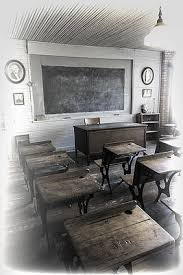
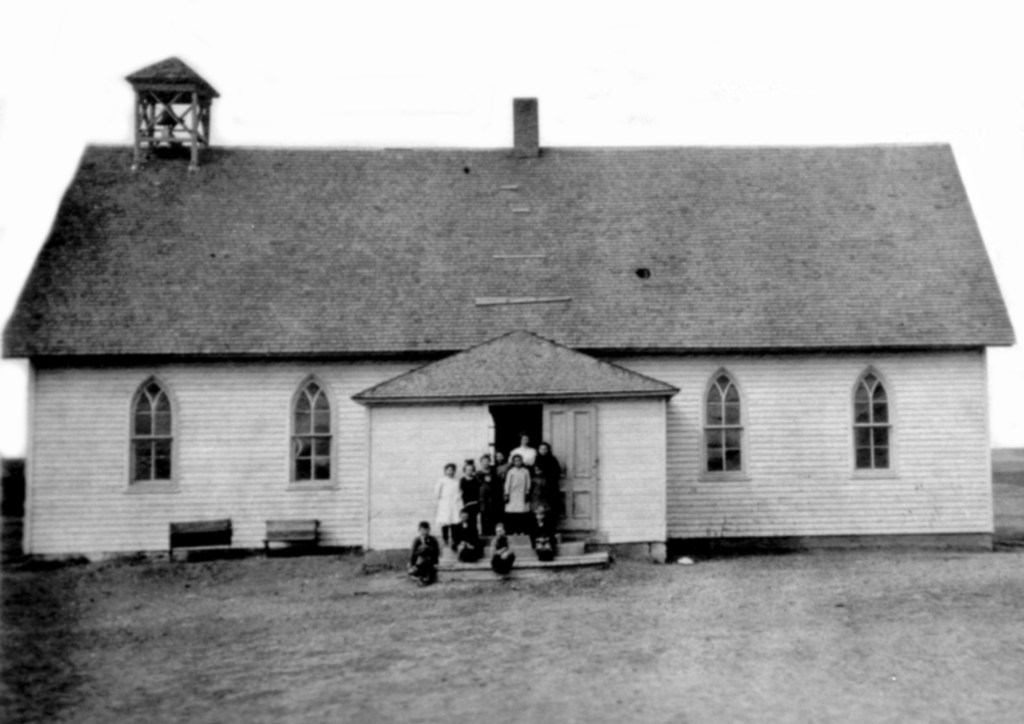
As a student at the one room Bloomington School, each term she received a certificate for no tardies or absences. Her parents taught her that a girl being educated, responsible, and on time were important. I wondered what her best subjects were and who were her best friends.

She finished her formal education at the age of 16. Then, in the paper, I spied a gem that was totally surprising. She was the teacher for a year (1919-1920) at Bloomington School because the previous teacher was on a leave of absence. She never shared this with me…I became an elementary teacher myself. Wouldn’t she have wanted me to know since we held this in common?

When my Grammy passed away in 1996, she left me two things: a gold-plated fountain pen and a watch on a ribboned pin. Now I am thinking: did she wear the watch and use the pen when she was a school marm? Maybe, that was her way of sealing the connection.

Bloomington School

52 Ancestors In 52 Weeks: Character

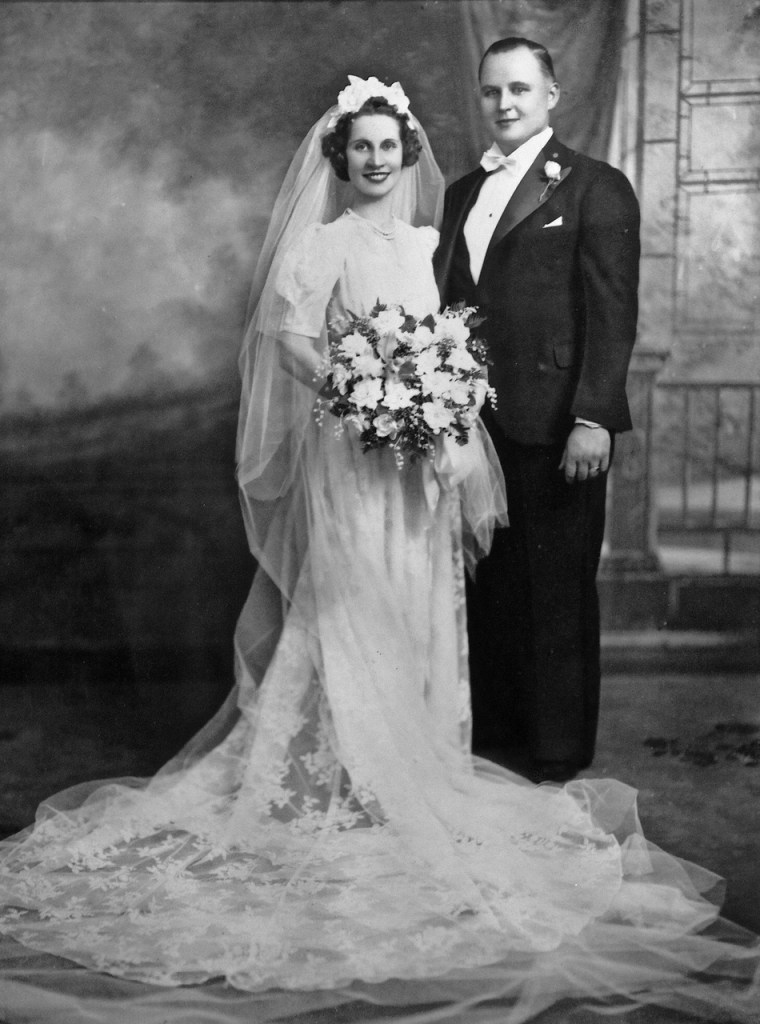
My Uncle Joe and Aunt Emily, 1939

I have always loved the expression “He is such a character!” My Uncle Joe was one of those legendary characters. He owned a bottling company and beer distributorship in the Manayunk section of Philadelphia. He was well known throughout the neighborhood and as a parishioner of Saint Josaphat Church (ethnic Polish). Kind and generous was my Uncle Joe. He was a teddy bear of a man…big guy with a heart of gold.

During the time period of the 1930s to 1970s, beer distributors attended an annual meeting in Philly so prices could be set for the year. Some of the meetings could get quite heated. Speaking in his booming voice, Joe was known to be fair and honest. He was never afraid to voice his opinion if someone became what he considered unreasonable.

When I was an adult, my uncle Stan passed away. Joe drove us to the funeral which was a couple of hours away…in his Cadillac. We stopped on the way at a private club so we could freshen up. When we arrived, an employee met us at the door to relate that the club was closed that morning. Uncle Joe boomed out, “Tell Mr. Schmitz that Joe Javie is here!” The gentleman went to tell Mr. Schmitz. When he returned he announced, “Mr. S said to tell Mr. Javie that he and his party are welcome to have any drink or food that they wish.” So, Uncle Joe’s name could open doors.

My Uncle Joe Javie was often called the “Mayor of Manayunk”. Manayunk actually has no mayor since it is a section in Philadelphia. Sometimes, he would get mail addressed to him as the mayor. Of course, he answered and investigated any requests and inquiry!

Joseph John Jaworowski (1913-1992) was born of Polish immigrant parents. He learned the food and beverage business from his parents. At his funeral, hundreds of family and friends gathered to tell their favorite stories about the character of a man, Joe.

52 Ancestors In 52 Weeks: Free

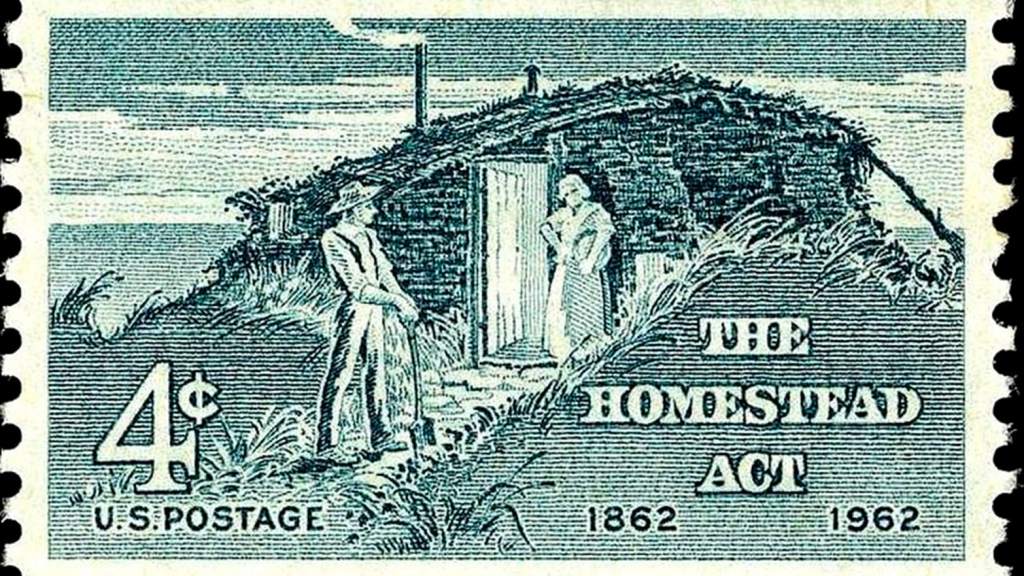
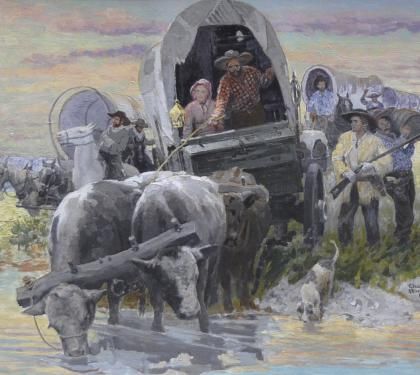
For William, Amos, John, and Andrew, it was the government reaching out with a free gift… not entirely free as it had an $18 filing fee and the promise of five years of time. It was the Homestead Act of 1862 which was signed into law by President Lincoln.

Each of the men started their collected journeys from different starting points: William from England, Amos from Illinois, John from Ohio, and Andrew from Maine. Two of them were Civil War veterans. One possessed wanderlust in his soul. One felt a need to move on.

All of them followed the rules for claiming their free land. They built homes on the property and made improvements. They gathered witnesses to attest to these truths in completing their paper work. They placed ads in the local paper to state that they had completed the requirements and to let fellow townspeople know that the land was officially theirs.

They all had many things in common. They all settled in Osborne County, Kansas. They all are in my line of grandfathers. They all had a love of the land. They all were willing to make sacrifices to care for their homesteads. Thank you, Grandfathers.

The men who enjoyed the free gifts were William Henry Stevens, Amos Howell Boultinghouse, John Nickel, and Andrew Storer.

52 Ancestors In 52 Weeks: Groups

Discovering this group was quite the find for me. It would be the key to testing my genealogical research skills in bridging the generations to me. Did I have all the necessary documents? What learning experiences would this heighten for me?

Many branches on my tree host Kansas pioneers. Several years ago, I came across a project sponsored by the Kansas Council of Genealogical Societies entitled Forgotten Settlers of Kansas. Three levels of certificates were available based on the years ancestors settled in the state: Territorial, Pioneer, and Early Settlers. I had four 2nd great grandfathers and one great grandfather who fit the pioneer categories.

Following the directions for organizing the documents took focus. Labeling of sources was required with attention paid to details. A blank five generation pedigree chart was provided from a PDF document. At that time, it was not possible to type directly on the chart…it needed to be done by hand…five generations on one sheet. Thank goodness I have good handwriting skills as I had to find the finest black felt tip pen.

After all paperwork was completed, I organized the packet to mail. A letter of approval would arrive to let me know of acceptance along with the certificate. Finally, all five certificates arrived. My pedigree charts and other paperwork were printed in the 29th Edition. Every piece of paperwork was given to the Kansas State Historical Society in Topeka to be filed in their research library.

Next, I moved on to the Illinois State Genealogical Society to earn pioneer and military certificates for other grandfathers. When completed, I wondered how I could continue. The answer came easily…on to the grandmothers as those women were a major part of the story!